Working Capital Formula & Turnover Ratio: Analyzing Financial Health

A positive working capital figure indicates that a company has enough liquid assets to cover its short-term debts, while a negative figure is a red flag that it may be facing financial distress. In conclusion, understanding and managing working capital is crucial for any business’s financial health and success. By maintaining a healthy balance between current assets In-House Accounting vs. Outsourcing and liabilities, businesses can ensure adequate liquidity, meet short-term obligations, and capitalize on growth opportunities. By enhancing operational efficiency, businesses can reduce costs, improve cash flow, and boost profits. The working capital ratio is a financial measure that evaluates a company’s ability to meet its short-term obligations using its short-term assets.
- A positive change indicates that the company has increased its working capital, while a negative change means it has decreased.
- Explore the benefits of discounted cash flow calculations and elevate your business investment strategy.
- Management relies on this ratio to optimize working capital management, ensuring smooth day-to-day operations and meeting short-term obligations.
- Above 2.0, you may be playing it too safe and missing out on expansion opportunities – maybe that marketing campaign you’ve been hesitating to launch or that equipment upgrade that could supercharge production.
- The three of the above indicators can measure the Cash Conversion Cycle (CCC), which tells the number of days it takes to convert net current assets into cash.
- The ratio refers to the proportional relationship between assets and liabilities.
What does positive vs. negative working capital indicate?
Working capital is the money a business can quickly tap into to meet day-to-day financial obligations such as salaries, rent, and office overheads. Tracking it is key, since you need to know that you have enough cash at your fingertips to cover your costs and drive your business forward. A ratio between 1.5 to 2 is considered a good working capital ratio and suggests that the company is on solid ground. It indicates that the company has enough money on hand to pay its suppliers, employees or lease without difficulty. However, a higher working capital ratio doesn’t mean that it is good working capital. A working capital ratio above 3 might suggest that a company is not utilising its assets efficiently to generate future working capital ratio formula worth.
Financial Ratio Examples

Current assets are everything your business owns that can be converted into cash within one year. The information contained herein is shared for educational purposes only and it does not provide a comprehensive list of all financial operations considerations or best practices. Our content is not intended to provide legal, investment or financial advice or to indicate that a particular Capital One product or service is available or right for you.
Digital Assistants: The New Normal to Boost Order-to-Cash Operations
The working capital formula gives you an understanding of your cash-flow situation, ensuring you have enough money available to maintain the smooth running of your business. It’s also important for fueling growth and making your business more resilient. Operating working capital, also known as OWC, helps you to understand the liquidity in your business.
Interpretation & Analysis

It’s essentially about ensuring you get paid for what you sell on credit, which is vital for keeping your cash flow forecast on track. A robust working capital means you’re more likely to maintain positive cash flow, with money coming in exceeding money going out, paving the way for success. However, if your working capital management isn’t up to scratch, your business may struggle to stay afloat. One key concern when managing your small business finances is something called working capital.
Operating working capital formula
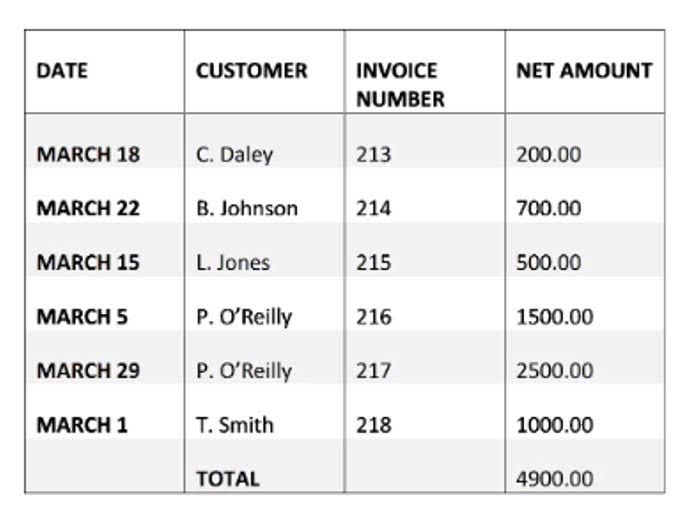
Payables turnover measures the number of times a company theoretically pays off all its creditors per year. It reflects how fast a company collects cash from customers to whom it extends credit. A low DSO indicates that a company is efficient in its credit and collection processes. Remember, though, if your business makes and sells things quickly, negative working capital could just mean you’re using your money really efficiently, without needing extra cash lying around. If you’re learning the ropes of bookkeeping for small businesses, you probably don’t need to get too caught up in alternative formulas for net working capital. Knowing the fundamentals of working capital, and why cash flow is important, will set a solid foundation for small business success.
- While net working capital looks at all the assets in your business minus liabilities, operating working capital looks at all assets minus cash, securities, and short-term, non-interest debts.
- This extends the time cash is tied up and adds a layer of uncertainty and risk around collection.
- Combined with undervalued share prices, equity investors can generally make good investments with companies that have high free cash flow.
- If the ratio is extremely high, you might be missing chances to invest cash in growth or to explore new product lines.
- Interest coverage measures the number of times a company’s EBIT could cover its interest payments.
Plus, more efficient accounts receivable reduces your allowance for doubtful accounts and bad debt expense, increasing your current asset values. Improving your working capital position will increase operational efficiency and put your business on strong footing, helping you overcome challenging economic conditions and sustain profits. If you’re overly reliant on external financing to cover operational expenses, you might want to consider speeding up and improving your cash application process. HighRadius is redefining treasury with AI-driven tools like LiveCube for predictive forecasting and no-code scenario building. Its Cash Management module automates bank integration, global visibility, cash positioning, target balances, and reconciliation—streamlining end-to-end treasury operations.
- In addition, when a company is not making a net profit, investors can turn to EBITDA to evaluate a company.
- A good working capital ratio is generally considered to be between 1.5 and 2.0.
- To gain a clearer understanding of working capital, it’s essential to examine its primary components — current assets and current liabilities.
- The working capital requirement of your business is the money you need to cover this time delay, and the amount of working capital required will vary depending on your business and its needs.
- Capital appreciation is one of the most important ideas in investing, especially if your goal is to grow wealth steadily over time.
It means that the business has the ability to repay more than the total value of its current https://www.dev.ona.design/the-definitive-guide-to-retained-earnings/ liabilities. The higher the working capital ratio, the greater the ability of the company to pay its liabilities. The working capital ratio gives you insight on your company’s ability to pay its operating expenses.
Increase cash velocity
This ratio provides valuable insights into a company’s ability to meet short-term obligations and overall financial health. A healthy working capital ratio typically ranges from 1.5 to 2, indicating that the company has a good balance between its short-term assets and liabilities, and can comfortably meet its financial commitments. Working capital is the lifeblood of any business, ensuring smooth operations and financial stability.
Category: Bookkeeping